Smarter Pain Management: How Digital Health Tools Are Transforming the Way Patients Track and Treat Neuropathic Conditions

The smartphone sitting in your pocket may be one of the most underutilized tools in your chronic pain management plan. Over the past decade, a robust ecosystem of digital health applications, wearable devices, and telehealth platforms has emerged—many of them specifically designed to support patients managing conditions like neuropathic pain and anxiety. When deployed alongside an established pharmaceutical regimen, these tools can meaningfully improve treatment outcomes, enhance provider communication, and give patients a degree of control over their condition that medication alone cannot provide.
This is not a landscape without nuance. Not every app marketed toward chronic pain patients is supported by clinical evidence, and the sheer volume of available tools can itself become overwhelming. What follows is a structured examination of the digital health categories most relevant to neuropathic pain management, with attention to clinical backing, practical integration, and the ways real patients are using these technologies to amplify their results.
The Case for Digital Adjuncts in Chronic Pain Care
Neuropathic pain is notoriously difficult to quantify. Unlike acute pain, which has a clear physiological trigger and a predictable resolution, neuropathic pain fluctuates in ways that are influenced by sleep quality, stress levels, physical activity, medication timing, and a host of other variables. This complexity makes consistent, structured tracking not just useful but clinically meaningful.
Physicians managing patients on pregabalin or other neuropathic pain therapies rely heavily on patient-reported outcomes to guide dosing decisions, identify patterns, and evaluate treatment efficacy. A patient who arrives at an appointment with six weeks of structured symptom data—pain scores, sleep logs, medication adherence records, and mood ratings—enables a far more productive clinical conversation than one who can only offer a general impression of how things have been going.
Digital health tools make that structured data collection accessible, consistent, and actionable.
Pain Tracking Applications: From Simple Logs to Sophisticated Analytics
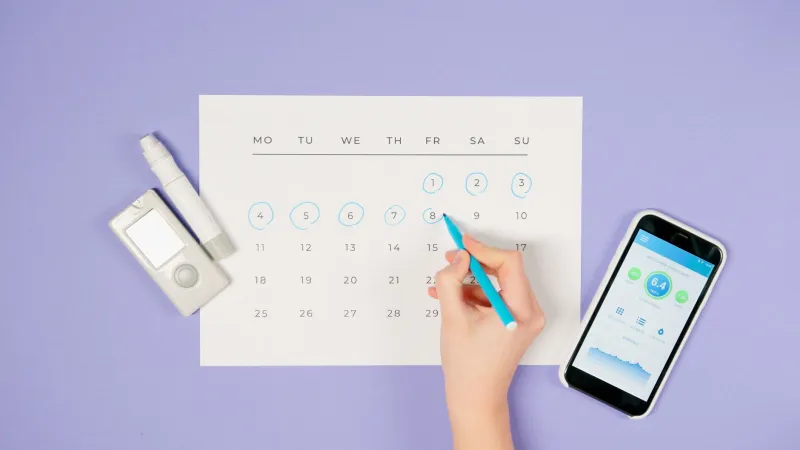
Pain journaling applications represent the most widely adopted category of digital health tools among chronic pain patients. At their most basic, these apps allow users to log daily pain scores and notes. More sophisticated platforms incorporate body mapping features, symptom pattern analysis, and exportable reports formatted for clinical review.
Clinically notable options include:
-
PainScale — A free application that combines pain logging with educational content and mood tracking. It generates visual summaries that patients can share with their providers, and its interface is designed to be accessible for patients across a wide age range.
-
Manage My Pain — This platform has been the subject of peer-reviewed research examining its utility in chronic pain populations. Studies have found that patients using structured digital pain journals demonstrate improved communication with providers and greater engagement with their treatment plans.
-
Chronic Pain Tracker — Designed specifically for patients managing long-term conditions, this app allows users to log medications, symptoms, and activities, then identify correlations between these variables over time.
The clinical value of these tools lies not in the logging itself but in the patterns that emerge. A patient who notices, for example, that pain intensity reliably increases on days following poor sleep has actionable information that can inform both behavioral adjustments and clinical conversations.
Medication Adherence Tools: Closing the Compliance Gap
Adherence to prescribed medication regimens is a persistent challenge in chronic pain management. Research consistently shows that a substantial proportion of patients on long-term therapy take their medications inconsistently—missing doses, adjusting timing, or discontinuing treatment without medical guidance. For patients on pregabalin, which requires consistent plasma levels to maintain efficacy, this inconsistency can significantly undermine treatment outcomes.
Digital adherence tools address this problem through a combination of reminders, streak tracking, and accountability mechanisms.
Medisafe is among the most widely used medication management applications in the United States, with a user base of several million patients. Its core functionality includes customizable dose reminders, drug interaction alerts, and a refill reminder system. A unique social feature allows a designated "MedFriend"—a family member or caregiver—to receive notifications if a dose is missed, introducing a layer of social accountability that many users find motivating.
CareZone offers a broader health management platform that combines medication tracking with health metric logging and provider communication features. It is particularly useful for patients managing multiple conditions or medications simultaneously.
For patients in the titration phase of pregabalin therapy—a period during which consistent dosing is especially critical—adherence applications can serve as a meaningful structural support, reducing the likelihood of premature discontinuation due to inconsistent use.
Wearables and Biometric Monitoring
Consumer-grade wearable devices have evolved considerably from their origins as step counters. Current generation wearables from manufacturers including Fitbit, Apple, Garmin, and Oura offer continuous monitoring of sleep architecture, heart rate variability (HRV), resting heart rate, and activity levels—all of which are relevant to neuropathic pain management.
Sleep monitoring is perhaps the most directly relevant capability. Neuropathic pain and sleep disruption are deeply intertwined, and disrupted sleep architecture is both a consequence of uncontrolled pain and a factor that amplifies pain sensitivity. Wearables that track sleep stages—distinguishing between light, deep, and REM sleep—can help patients and providers identify whether sleep quality is improving in response to treatment adjustments.
Heart rate variability has emerged as a proxy measure for autonomic nervous system regulation and stress response. Lower HRV is associated with heightened pain sensitivity and anxiety, and tracking HRV trends over time can provide insight into how effectively a patient's nervous system is responding to treatment.
It is important to note that consumer wearables are not medical devices in the regulatory sense, and their data should be interpreted as directional rather than diagnostic. Nevertheless, the trends they capture—when reviewed alongside clinical assessments—can add meaningful context to treatment decisions.
Telehealth Optimization: Getting More From Your Virtual Appointments
The expansion of telehealth services following the COVID-19 pandemic has permanently altered the landscape of chronic pain care in the United States. For many patients—particularly those in rural areas or with limited mobility—telehealth has become the primary modality through which they access their prescribing physicians.
Maximizing the value of telehealth appointments requires deliberate preparation. Digital health tools play a central role in this preparation.
Before your appointment:
- Export or screenshot a summary of your pain log from the past four to six weeks
- Compile your medication adherence record, noting any missed doses and the reasons for them
- Note any new or changed symptoms, including those not directly related to pain
- Prepare specific questions about dosing, side effects, or treatment adjustments
During your appointment:
- Share your screen or describe your tracked data clearly and concisely
- Frame your experience in terms of trends rather than isolated incidents (e.g., "My average pain score dropped from 7.2 in week one to 5.8 in week four" rather than "Some days are better than others")
- Ask your provider to explain how they are interpreting your data and what changes, if any, they recommend
Platforms designed to facilitate data sharing with providers, such as Apple Health's clinical record integration and certain EHR-connected patient portals, are making it increasingly straightforward to transmit structured health data directly to a provider's clinical system. Patients are encouraged to ask their provider's office whether such integration is available.
Mindfulness and Anxiety Management Applications
Given the well-documented relationship between anxiety and neuropathic pain amplification, digital tools targeting emotional regulation represent a meaningful complement to pharmaceutical management. Several applications in this category have accumulated meaningful clinical evidence:
-
Calm and Headspace both offer structured mindfulness and meditation programs with documented effects on anxiety reduction and sleep improvement. While neither is a substitute for medication, both have been studied in chronic pain populations with promising results.
-
Woebot is an AI-driven cognitive behavioral therapy (CBT) application that has been evaluated in clinical research for its effects on anxiety and depression. For patients whose anxiety symptoms are a component of their neuropathic pain experience, structured CBT exercises delivered digitally may serve as a valuable adjunct.
Evaluating Clinical Evidence: A Cautious Framework
Not all digital health tools are created equal. Patients and providers should apply a consistent evaluative framework when considering new applications or devices:
- Has the tool been studied in peer-reviewed research? Look for published studies in credible journals, not just testimonials or marketing materials.
- Is the tool transparent about its data practices? Health data is sensitive. Review the privacy policy carefully before sharing symptom or medication information with any application.
- Does the tool integrate with or complement your existing care? The most valuable digital tools are those that enhance—rather than replace—the clinical relationship.
- Is it sustainable for your daily routine? A highly sophisticated app that you abandon after two weeks provides less value than a simple one you use consistently for months.
A Comprehensive Approach to Comprehensive Care
Neuropathic pain management has never been a single-intervention proposition. Pharmaceutical therapy—including medications like pregabalin—addresses the neurological underpinnings of chronic pain, but the broader experience of living with a chronic condition involves sleep, mood, activity, relationships, and daily function. Digital health tools, at their best, extend the reach of clinical care into the spaces between appointments, offering patients continuous support, structured insight, and a more active role in their own recovery.
At Lyrica Relief Center, we recognize that the most effective treatment plans are those in which patients are fully engaged participants. The tools described in this article are not replacements for professional medical guidance—they are instruments that help patients bring their best, most informed selves to every clinical interaction.