Dismissed, Delayed, and Underserved: Understanding Why Women With Neuropathic Pain Face a Longer Road to Diagnosis
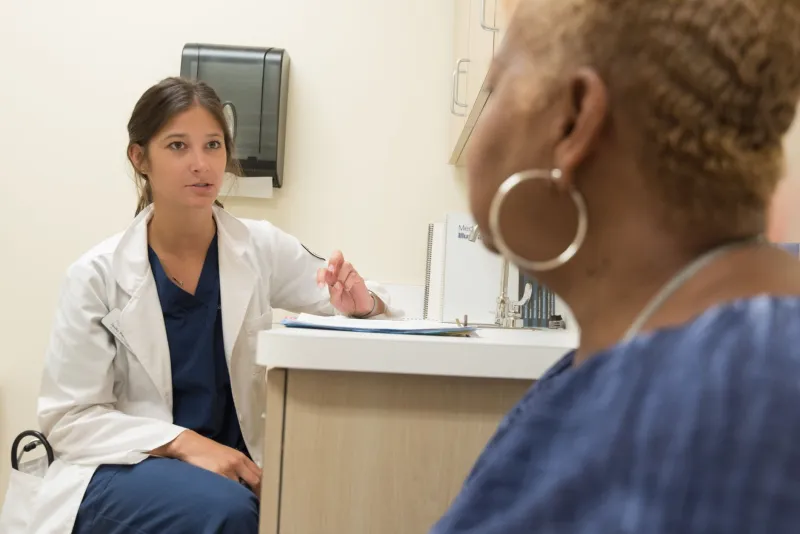
Neuropathic pain is not an equal-opportunity condition—at least not in the way it is recognized, diagnosed, and treated. For millions of American women living with burning, shooting, or electric-shock sensations caused by nerve dysfunction, the path to an accurate diagnosis is measurably longer and more fraught than it is for their male counterparts. Understanding why this gap exists is the first step toward closing it.
This is not a matter of perception or anecdote. A growing body of peer-reviewed research documents systematic differences in how chronic pain—including neuropathic pain specifically—is assessed and managed across genders. Women are more likely to have their symptoms attributed to anxiety, depression, or psychosomatic causes before a thorough neurological workup is completed. They are more likely to be undertreated for pain. And they face a layer of biological complexity—hormonal fluctuation—that most standard pain management protocols were not designed to account for.
The Data Behind the Disparity
Studies published in journals including Pain and the Journal of Pain Research have documented that women with chronic pain conditions wait an average of several years longer than men to receive a definitive diagnosis. In conditions like fibromyalgia, complex regional pain syndrome, and small fiber neuropathy—all of which disproportionately affect women—diagnostic delays of five to ten years are not uncommon.
The roots of this disparity are multifactorial. Historically, the majority of clinical pain research was conducted on male subjects, including male animal models. This created a knowledge base that reflects male pain biology more accurately than female pain biology. Guidelines built on that research were then applied universally, without adequate adjustment for sex-based differences.
Additionally, gender bias in clinical settings—though rarely intentional—shapes how patient-reported symptoms are received. Studies using standardized patient scenarios have found that identical pain complaints are more likely to be rated as having a psychological component when the patient is female. This tendency to psychologize women's pain delays referrals to neurology and delays access to appropriate treatments.
How Neuropathic Pain Presents Differently in Women
Neuropathic pain does not always announce itself the same way in every patient, and sex-based differences in symptom expression are clinically meaningful.
Women tend to report more diffuse, widespread pain compared to the more localized presentations more common in men. They are more likely to describe their pain using sensory language—burning, throbbing, aching—rather than the intensity-focused descriptors that clinical pain scales were largely built around. This mismatch between how women describe pain and how clinicians are trained to measure it can result in underestimation of severity.
Women with diabetic peripheral neuropathy, one of the most prevalent forms of neuropathic pain in the US, often present with more severe sensory symptoms at equivalent blood glucose levels compared to male patients. Women with chemotherapy-induced peripheral neuropathy report higher pain intensity and greater functional impairment. These are not differences in pain tolerance—they reflect genuine physiological distinctions in how the female nervous system processes and transmits nociceptive signals.
The Hormonal Dimension
Perhaps the most underappreciated factor in women's neuropathic pain experience is the role of hormonal fluctuation. Estrogen, progesterone, and testosterone all influence pain processing at the neurological level, and their concentrations shift dramatically across the menstrual cycle, during pregnancy, postpartum, and through perimenopause and menopause.
Estrogen, in particular, has complex and sometimes contradictory effects on pain sensitivity. At moderate levels, it appears to have analgesic properties. When estrogen drops sharply—as it does in the late luteal phase before menstruation or during menopause—pain thresholds can decrease, meaning patients become more sensitive to painful stimuli. For women with pre-existing neuropathic conditions, these hormonal shifts can produce cyclical flares that are genuinely physiological but are often dismissed as mood-related or exaggerated.
Medication effectiveness is not immune to these fluctuations either. Research suggests that the pharmacodynamics of some CNS-active medications, including those used for neuropathic pain, may vary across hormonal phases. Women who notice that their medication seems less effective at certain points in their cycle are not imagining it—and that observation is worth documenting and raising with their physician.
Navigating the System: Practical Advocacy for Women
Knowing that these disparities exist is useful only if it translates into more effective self-advocacy. The following strategies are designed to help women with neuropathic pain get the attention and specificity their condition requires.
Keep a detailed symptom journal. Document the character of your pain (burning, stabbing, electric, aching), its location, its intensity on a consistent scale, and critically, its relationship to your menstrual cycle or hormonal status if applicable. Patterns that emerge over weeks and months are far more persuasive to a clinician than a description offered from memory during a rushed appointment.
Be explicit about neurological symptoms. Describe sensations in precise terms: tingling, numbness, hypersensitivity to touch, pain that occurs without an obvious physical trigger. These are the hallmarks of neuropathic pain and will cue a clinician to pursue appropriate diagnostic pathways. Avoid generalizations like "I just hurt everywhere" even if that is how it feels.
Request a neurology referral proactively. If your primary care provider has been managing your pain without a specialist evaluation, it is entirely appropriate to ask for a referral to a neurologist. A nerve conduction study or skin punch biopsy for small fiber neuropathy may reveal underlying pathology that has been missed.
Discuss hormonal influences directly. If you have noticed a correlation between your hormonal cycle and pain severity, say so explicitly. Ask whether hormonal factors are being considered in your treatment plan. This may open a conversation about complementary management strategies or adjustments to medication timing.
Seek a second opinion when necessary. If your concerns are consistently minimized or your symptoms are repeatedly attributed to anxiety without adequate investigation, seeking another clinical perspective is not only reasonable—it is a legitimate and often necessary step toward receiving appropriate care.
A System That Must Do Better
The gender gap in neuropathic pain care is not a problem women can solve alone. It requires changes in clinical training, research funding priorities, and the design of diagnostic tools. Several advocacy organizations, including the American Chronic Pain Association, are actively working to advance these systemic reforms.
In the meantime, women who are living with undiagnosed or undertreated neuropathic pain should know that their experiences are real, documented, and increasingly recognized within the medical community. The frustration of being dismissed is valid. So is the determination to keep seeking answers.
At Lyrica Relief Center, we believe that every patient—regardless of gender—deserves a care pathway built around their actual biology and lived experience. Understanding the barriers that exist is the foundation for dismantling them.